Different kinds of grief
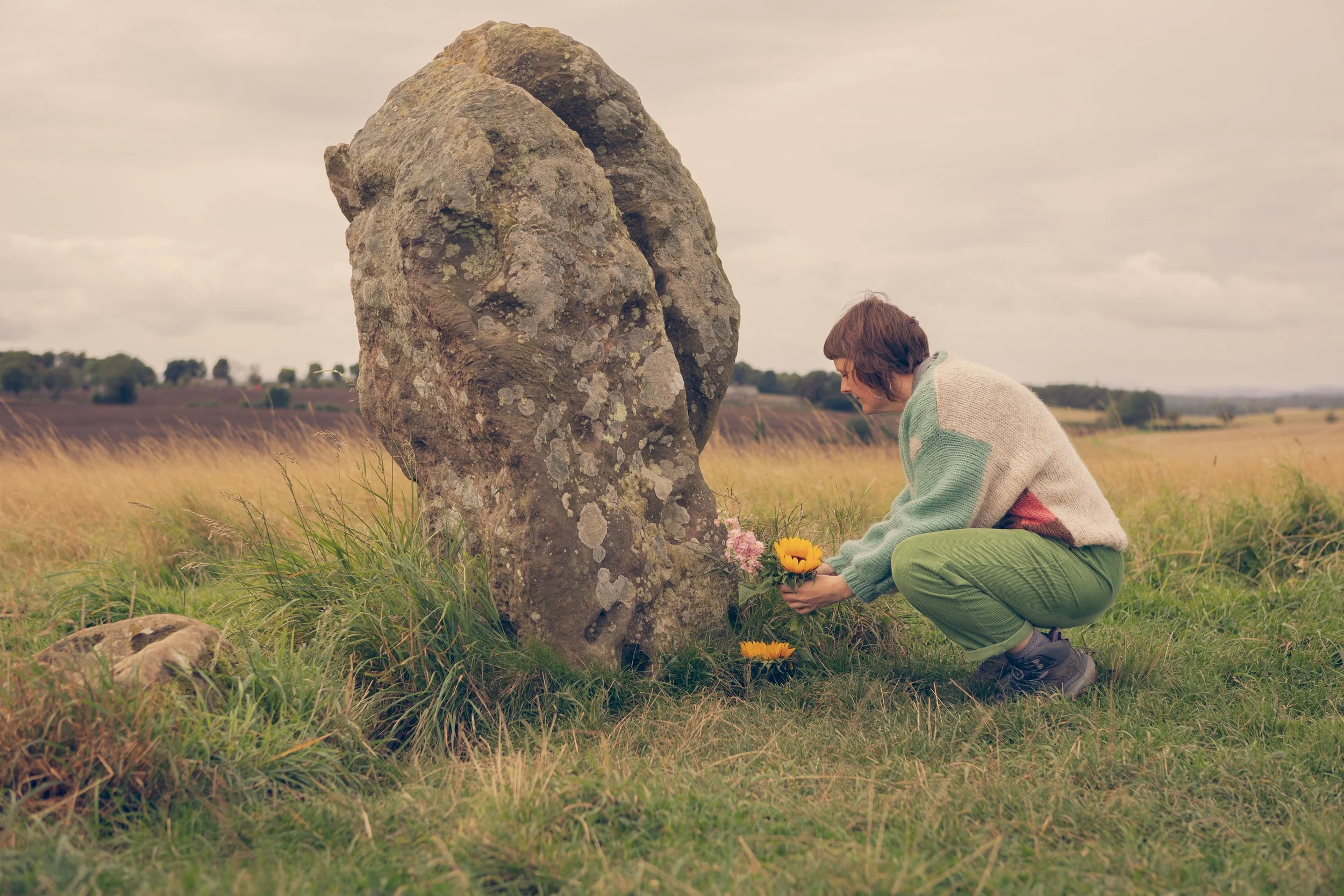
Everything changed for me when I started to understand grief’s place in my own life and in the world.
It can be easy to think that grief only shows up when someone dies, or there is another obvious, tangible loss to contend with.
The reality is, grief has no timeline or rules. It can be centred on one event, or arise as an ongoing response to challenges which don’t end. Grief can be deeply personal, or birthed out of the wide ocean of collective ills the world faces together.
Or both, in different combinations every day.
Perhaps you’ve known one or more of these kinds of grief:
bereavement
relationship breakdown or estrangement from family or friends
unrealised goals and dreams
a life-changing diagnosis, chronic illness or injury
financial limitations
mistakes made
help or love not received
pregnancy loss or miscarriage
loss of home or precious items
climate damage and extinction
the erosion of human rights
knowledge of eventual mortality (yours and that of everyone you love)
the many ways life could have been different, or the things you’ve missed out on
…and/or many more, too many to count.
If you’ve felt any of them (and I imagine it’s the case, because you’re human), it’s likely you haven’t had the time or space to honour it in the way you needed. And so, we carry it with us.
The metaphor that resonates most for me is that of grief as being the water in a pool, or a lake.
If we build walls and dams to keep it in, whether through choice or necessity, the lake never empties - so each time it rains with more grief (as life often does), it continues filling. The tributaries swell beyond capacity, and the land gradually floods for miles around.
Water mingles with water, regardless of the source, and so it is with grief. With every new grief, we find ourselves feeling all of the many griefs of our lives which were waiting for us there in the brimming lake.
Only if we open the dam gates and allow the grief through, surrender ourselves to be carried by it for a while, can the lake’s overflow find a natural outlet, level the water’s surface and bring the ecosystem back into balance.
The world’s collective lake is full. So full.
I don’t need to tell you that - we can see it plainly everywhere. After many centuries with patriarchal energy at the helm, frantically dam-building (urging us to forget how to feel emotions in our bodies, or speak them aloud, in favour of production and growth), our global emotional rivers and lakes are bursting their banks in all directions.
We are the dam gates.
Every time we take our courage in our hands and turn to face the depths of our sorrow, we let a little water out and allow more space in the lake.
The world is asking for more people to be willing to gently let their rivers of grief flow through them.
To speak their grief aloud, next time someone asks how they are. To make dedicated time for it, and refuse to rush it. To open-heartedly and bravely invite its transformative power to find its way through.
Not to ‘fix’ it - grief isn’t brokenness.
Not to ‘heal’ it - grief isn’t an illness.
Only to allow it, to feel it, to let it change us, and to trust that it won’t break us.
Many people are afraid to touch their grief, because they think that if they start crying, they’ll never stop.
It isn’t true.
Another way to look at it is this:
The world is crying, and our grief is the medicine.